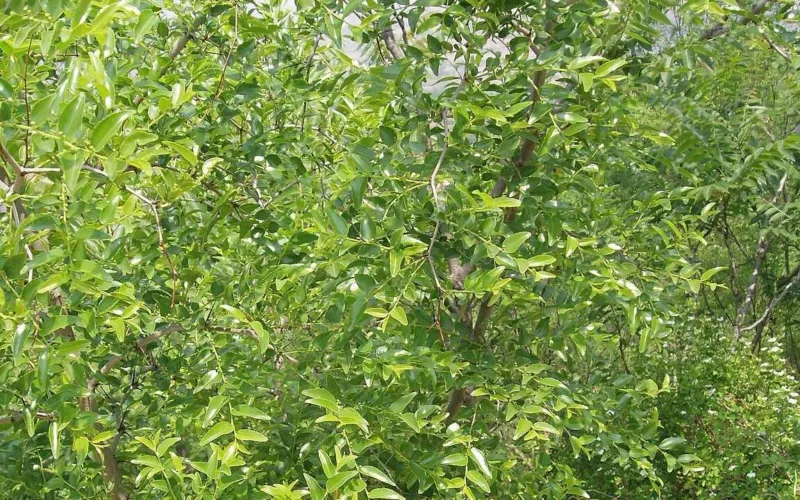

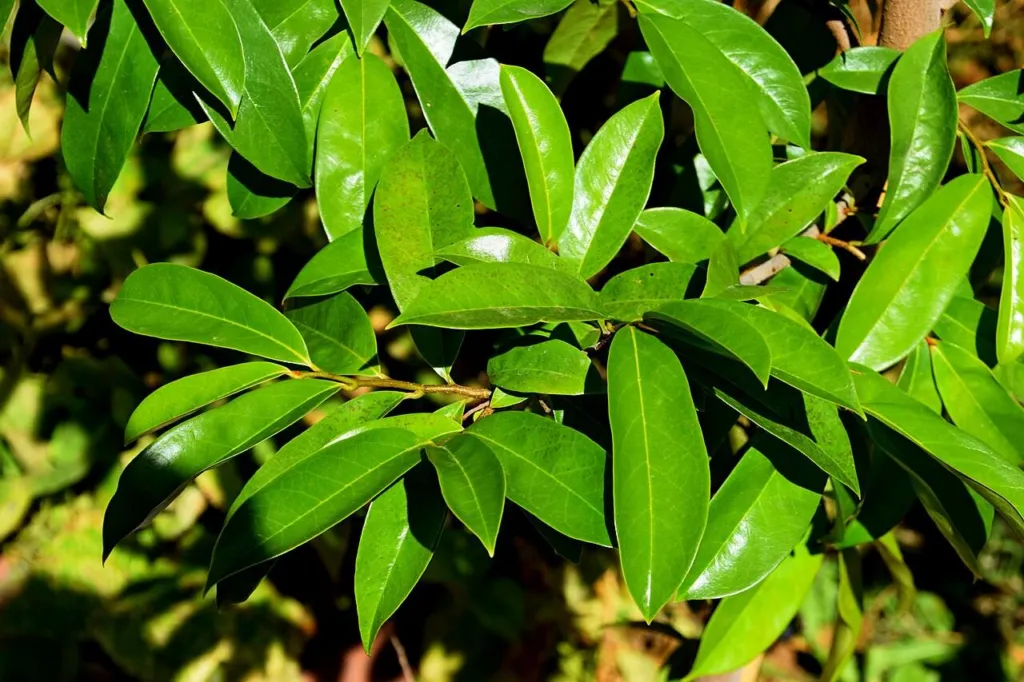
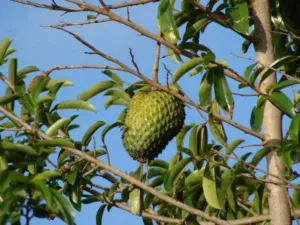
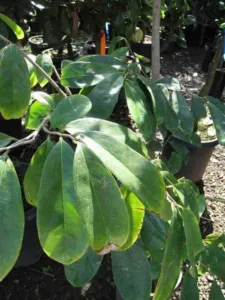
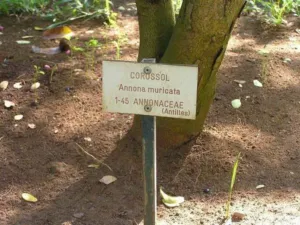
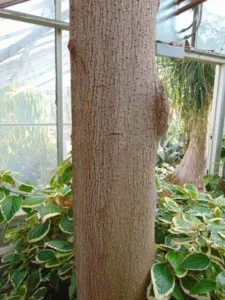
Cover: Annona muricata in the Jardin des Plantes glasshouses, Toulouse. Photo: Krzysztof Golik · CC BY-SA 4.0 · Wikimedia Commons
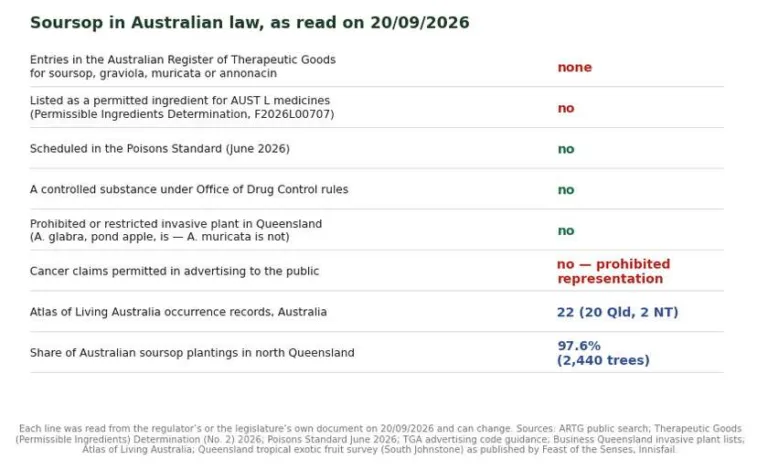
Searches of the Australian Register of Therapeutic Goods for soursop, graviola, muricata and annonacin, run on 20/09/2026, all return the same six words: “There were no matching results.” Meanwhile 97.6% of Australia’s recorded soursop plantings stand in north Queensland, an hour or two from this desk, and the leaf of that tree is sold worldwide as a cancer remedy on the strength of work that has never been done in a person (ARTG public search; Queensland tropical exotic fruit survey (South Johnstone)). Attested
This is No. 5 in the Australian Institute of Pharmacognosy’s evidence-graded monograph series, and it is an introduction to a plant most Australians know only as fruit. What soursop is; what the traditions that actually use it use it for; why the anticancer material is a laboratory finding and not a treatment; and the thing almost nobody publishes — a mitochondrial toxin called annonacin, a cluster of levodopa-resistant parkinsonism on a Caribbean island, and two overseas food-safety agencies that looked hard at it and could not set a safe dose.
This article is educational. It is not medical, legal or regulatory advice, it is not an advertisement, and nothing in it is a recommendation to buy, prepare or take soursop or any product containing it. No product is advertised, endorsed or recommended here and the Institute has no commercial interest in any soursop product. No Australian brand, product or sponsor is named in it; the only proprietary names anywhere in the article sit inside a verbatim quotation from an overseas regulator’s published warning letter in §7, reproduced to show where a viral claim came from.
1. Soursop does not treat cancer, and no product may lawfully say it does. The anticancer evidence is cell-culture and animal work. One small randomised trial exists and it measured nutritional status and laboratory cytotoxicity, not tumour response or survival (PMID 28582808). Evidence suggests In Australia a cancer claim in advertising is a prohibited representation (TGA prohibited representations). Confirmed Anyone with cancer belongs with their oncology team, and should tell that team what they are taking.
2. The real safety question is neurological and cumulative. Annonacin, the plant’s major acetogenin, inhibits mitochondrial complex I and is the suspected agent behind a cluster of levodopa-resistant atypical parkinsonism on Guadeloupe (PMID 18816693). Evidence suggests The exposure that raised the alarm was lifelong and heavy — fruit, nectar and daily leaf tea over decades — not an occasional soursop (§8).
3. No safe intake level has been set by anyone. A European Food Safety Authority fellowship assessment of Annona muricata in food supplements concluded in 2020 that the data do not allow a safe intake level to be established (PMID 33294051); Confirmed the French agency reached the same impasse in 2010 (AFSSA opinion 2008-SA-0171, 28/04/2010). Confirmed Both are overseas documents and neither binds the TGA.
4. Most reason to avoid it: anyone with Parkinson’s disease, progressive supranuclear palsy or another neurodegenerative diagnosis; anyone on chemotherapy or targeted cancer therapy; pregnancy and breastfeeding; children (§9). Mechanism
5. The sign to act on is neurological, not digestive. The syndrome in point 2 announces itself as slowness, rigidity, early falls, trouble moving the eyes up or down, swallowing difficulty or cognitive change — not as a stomach upset. Those have many commoner causes and do not in themselves warrant a Triple Zero call. If they are new or progressive, they still warrant prompt neurological assessment, never watchful waiting, and any long-running leaf tea or capsule belongs in that conversation (§9). Evidence suggests
6. Seeds are not food. They carry the densest acetogenin load in the tree and their traditional uses are insecticidal (AFSSA opinion 2008-SA-0171, 28/04/2010). Traditional
Emergency: for collapse, seizure, severe confusion or difficulty breathing, call Triple Zero (000). For a swallowed overdose, a child who has eaten seeds or any preparation, or any poisons question, call the Poisons Information Centre on 13 11 26 (24 hours, Australia-wide). Before taking any botanical drug, consult a degree-qualified herbalist with competencies and adequate training in pharmacognosy.
| Botanical name | Annona muricata L., Annonaceae; described in Species Plantarum (1753) Attested §1 |
| Common names | Soursop, graviola, guanábana, corossol, sirsak, durian belanda, guyabano, prickly custard apple Attested §1 |
| Parts used | Leaf (infusion, capsules), fruit (food), seed (insecticidal, not a food), bark and root in some traditions Traditional §5 |
| Home range | Lowland Neotropics — Caribbean and Central America — now grown across the wet tropics worldwide Confirmed §3 |
| In Australia | 22 Atlas of Living Australia records (20 Queensland, 2 NT); 97.6% of recorded plantings are in north Queensland Evidence suggests §3 |
| Traditional standing | Leaf for digestive complaints, fever and sleep; seed as an insecticide; recorded for Papua New Guinea and Tonga in WHO Western Pacific monographs Traditional §4 |
| Key constituents | Annonaceous acetogenins, chiefly annonacin (about 72% of the acetogenin total in seed and root); isoquinoline alkaloids, chiefly reticuline Confirmed §5 |
| Mechanism | Inhibition of mitochondrial complex I — the same action whether the cell is a tumour cell or a dopaminergic neuron Confirmed §6 |
| Cancer evidence | Extensive cell-culture and animal work; one randomised trial in 28 people with a surrogate endpoint; no trial of tumour response or survival Evidence suggests §7 |
| Main safety question | Annonacin neurotoxicity: association with levodopa-resistant atypical parkinsonism on Guadeloupe, reproduced as lesions in rats and tau pathology in mice Evidence suggests §8 |
| Safe intake level | None established. EFSA fellowship assessment 2020 and AFSSA 2010 both declined to set one — overseas documents, not Australian law Confirmed §9 |
| Annonacin per serving | About 0.14 mg in a cup of leaf infusion, 15 mg in one fruit, 36 mg in a can of nectar Confirmed §5 |
| Oral absorption | Annonacin is poorly absorbed — 3.2% oral bioavailability in the rat, measured once; the rat neurotoxicity study used the intravenous route Evidence suggests §9 |
| Poisons Standard | Not scheduled; full text searched 20/09/2026 Attested §10 |
| Permitted ingredient? | No — ANNONA does not appear in the Permissible Ingredients Determination, so it cannot be in a listed (AUST L) medicine Attested §10 |
| On the ARTG? | No entries for soursop, graviola, muricata or annonacin Attested §10 |
| Queensland weed status | Not listed. Its relative Annona glabra (pond apple) is a restricted invasive plant of the Wet Tropics Attested §3 |
| Quality problem | Plant part, solvent and extract ratio are rarely declared, and no pharmacopoeial monograph could be identified Confirmed §11 |
- Confirmed Established in humans by trial, or an unambiguous analytical, chemical or official-record fact — including what a regulator’s own published document says.
- Evidence suggests Real published data, but preclinical, observational, small or not yet independently replicated.
- Mechanism A plausible mechanistic or pharmacological inference, not an outcome.
- Traditional Historical or ethnobotanical use. Evidence of practice, not of efficacy.
- Attested A documentary fact attested in a named record — a legislative instrument, a regulator’s publication, a taxonomic index, a monograph page. A textual reading, not a claim about what a plant does.
Every PubMed ID (PMID) below links to its record and was checked against PubMed on 20/09/2026. Every compound was checked against PubChem and is linked by CID. Every Australian regulatory statement was read from the regulator’s or the legislature’s own document on the same day. Where a claim could not be traced to a primary source it is marked unsourced and stays that way.
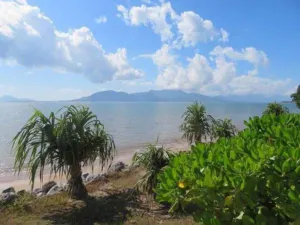
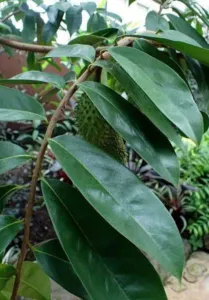
What it is. A small lowland tropical tree with a spiny green syncarp the size of a rugby ball, native to the Caribbean and Central America and grown across the wet tropics — including on the Cassowary Coast, where 97.6% of Australia’s recorded plantings sit. Evidence suggests “Soursop” usually means the fruit. “Graviola” on a bottle usually means the dried leaf. They are not the same drug.
What it is actually used for. In the traditions that use it — Papua New Guinea, Tonga, the Caribbean, west Africa, southeast Asia — the leaf is a domestic remedy for the stomach, for fever and for sleep, and the seed is an insecticide. Traditional The World Health Organization’s two regional monographs on this plant give it two sentences of traditional use each, and neither mentions cancer.
The cancer story. Acetogenins kill cancer cells in culture, and that is real. There is one randomised trial in people, in 28 colorectal cancer patients over eight weeks, and it measured nutritional status and how cytotoxic their serum was in a dish — not whether anyone’s cancer responded. Evidence suggests No trial has measured tumour response or survival. The famous “10,000 times stronger than chemotherapy” line comes from a product label, quoted back at its seller in a 2017 United States regulator’s warning letter; we could not find a study behind it and mark it unsourced.
The part nobody prints. Annonacin inhibits mitochondrial complex I more potently than rotenone in cultured neurons, and it is the suspected agent in a cluster of levodopa-resistant atypical parkinsonism on Guadeloupe, where atypical cases run to about two-thirds of all parkinsonism against roughly 5% in Europe. Evidence suggests Given intravenously to rats it reproduced the lesion pattern; given as juice to mice for a year it raised phosphorylated tau. Evidence suggests The counterweight, which belongs in the same breath: swallowed annonacin is poorly absorbed — 3.2% in the rat — so an occasional fruit sits a long way from the exposure that did the damage, and a daily decoction over years sits a good deal closer. Evidence suggests France’s food-safety agency in 2010 and an EFSA fellowship assessment in 2020 both reviewed it, both stopped short of saying it causes the disease, and both declined to set a safe intake level. Confirmed Neither is Australian law.
Where Australia stands. Lawful to grow, eat and sell as fruit. Not in the Poisons Standard, not a permitted ingredient in listed medicines, and not one entry on the ARTG — so any soursop product sold here with a therapeutic claim is an unapproved therapeutic good, and a capsule bought online arrives with nobody having checked it. Attested Before taking any botanical drug, consult a degree-qualified herbalist with competencies and adequate training in pharmacognosy.
1. One binomial, two different drugs
Ask an Australian what soursop is and you will usually get the right answer: a big green spiky tropical fruit, sold in Cairns and Darwin markets, wonderful in a sorbet. Ask the internet what graviola is and you get something else entirely — capsules, a dried leaf tea, and a claim about cancer that has been circulating since about 2010 and has never been supported by a clinical trial.
Both words name the same tree. Annona muricata L. was described by Linnaeus in the first volume of Species Plantarum in 1753 (IPNI, Annona muricata L.), and it has collected a name in nearly every tropical language since: soursop and prickly custard apple in English, graviola in Brazilian Portuguese, guanábana in Spanish, corossol in French, sirsak and durian belanda in Indonesia and Malaysia, guyabano in the Philippines, sow sop and kahiloko in Milne Bay in Papua New Guinea (WHO Western Pacific, Papua New Guinea monograph, p. 27), seremaia and sarifa in Fiji and apele in Tonga (WHO Western Pacific, South Pacific monograph, p. 17). Attested The Australian Plant Name Index records it here as durian belanda, soursop and sour sop (Australian Plant Name Index). Attested
The difference that matters is not linguistic. It is which part of the tree you are holding. A soursop in a shop is fruit pulp. A graviola capsule or a bag of “soursop leaf tea” is almost always dried leaf, sometimes with the stem, occasionally — and this is the problem — with seed. Those are chemically different preparations with different toxicology, and the label rarely tells you which one you have. That is the thread running through this monograph.
The relatives, and why they keep getting mixed up
The Annonaceae is a large tropical family — around 120 genera — and the genus Annona alone runs to more than a hundred species, most of them in tropical America (PMID 35684400). Attested A handful are grown for fruit, and they are all sold under overlapping common names: A. squamosa (sugar apple, sweetsop), A. cherimola (cherimoya), A. reticulata (custard apple, bœuf), the cherimoya × sugar apple hybrid atemoya, A. montana (mountain soursop) and A. glabra (pond apple).
“Custard apple” in an Australian greengrocer usually means atemoya. “Custard apple” in an eighteenth-century Caribbean text usually means A. reticulata. Mountain soursop looks close enough to soursop to be confused with it, and is grown in Australian botanic gardens. When a paper reports acetogenins “in Annonaceae”, or a survey reports people drinking “annonaceous herbal tea”, it is usually reporting a mixture of species, not soursop alone — which is exactly what the Guadeloupe epidemiology in §8 had to work with.
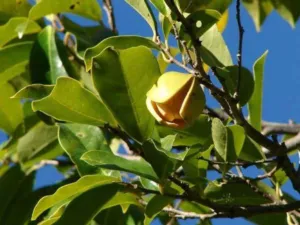
2. What the tree actually looks like
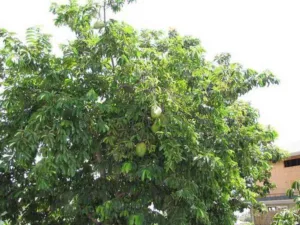
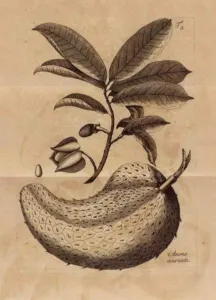
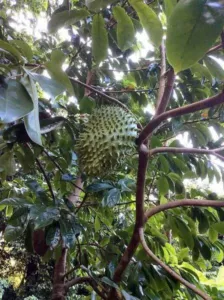
Soursop is a small evergreen tree, three to seven metres in the two World Health Organization regional monographs that describe it, occasionally taller in cultivation (WHO Western Pacific, Papua New Guinea monograph, p. 27; WHO Western Pacific, South Pacific monograph, p. 17). Attested The leaves are alternate, short-stalked, leathery, oblong to elliptic, dark and glossy above, and they smell faintly resinous when crushed — a family character. The flowers are solitary, yellowish or greenish-yellow, three-parted, with sepals and petals so thick and fleshy that a soursop flower looks more like a small unopened fruit than a blossom. The outer petals are heart-shaped at the base.
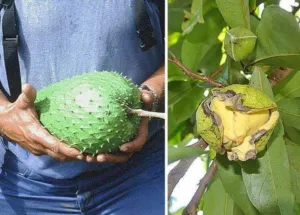
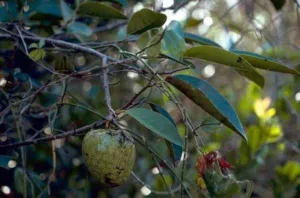
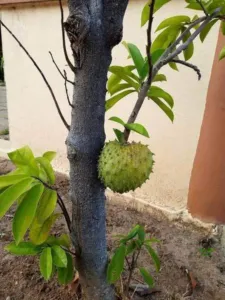
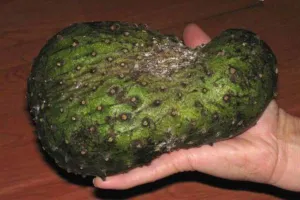
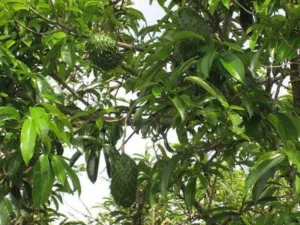
The fruit is not a single fruit. It is a syncarp: many carpels of one flower fusing into one body, which is why the skin is divided into that quilt of soft, curved projections. Those are not spines. They are the tips of individual carpels, and they bend under a thumb. A fruit can reach 30 cm long and several kilograms, with a green skin, white fibrous-juicy acid flesh, and abundant hard black seeds — the French food-safety agency’s review puts the count at up to 200, one per carpel (AFSSA opinion 2008-SA-0171, 28/04/2010). Attested In the Antilles the pulp is also fermented into a cider-like drink.
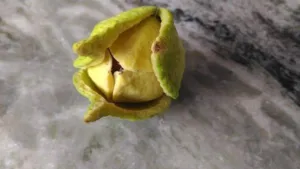
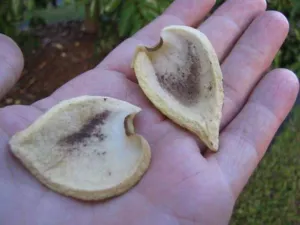
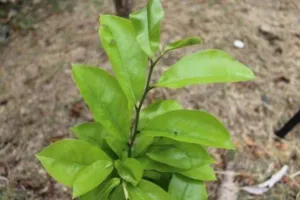
It is a tree of the hot lowlands. The Papua New Guinea monograph puts it below 1,200 m (WHO Western Pacific, Papua New Guinea monograph, p. 27); it will not take frost, and it sulks in dry wind. That is the whole reason its Australian distribution looks the way it does.
3. Where it grows — including here
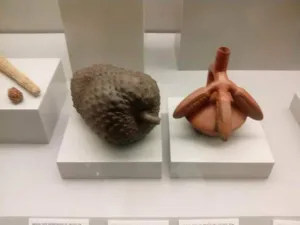
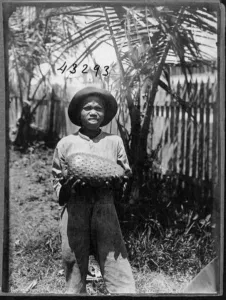
Annona muricata is native to the lowland Neotropics — the Caribbean and Central America, spreading into northern South America — and has been carried to every wet tropical region on earth (PMID 33294051). Confirmed A Moche ceramic vessel from coastal Peru, made somewhere between 100 and 700 CE, is catalogued as modelling a guanábana with maize — that identification comes from the image’s own catalogue record and not from a museum monograph, so take it as suggestive and unsettled, but the plant was certainly a food in the Americas long before it was a supplement. Attested
The Australian picture
Soursop grows in Australia, commercially and in back yards, and almost entirely in the far north. A Queensland tropical exotic fruit survey run out of the South Johnstone research station — about an hour up the highway from our desk in Cardwell — counted 2,440 trees in north Queensland, 97.6% of the national planting, with a reported 60 trees in the Northern Territory, and estimated production potential at roughly 50 tonnes worth about $0.30 million at 20 kg a tree (Queensland tropical exotic fruit survey (South Johnstone)). Evidence suggests That survey is republished without a date by the Feast of the Senses festival at Innisfail and post-dates Cyclone Larry, so treat it as an order of magnitude and a distribution, not a current census. Its author also noted, drily, that soursop demand had risen because the fruit was “being touted on the internet as having anti cancer properties”. That was the state of play more than a decade ago and it has not improved.
The herbarium record is thinner and older than the orchard record. The Atlas of Living Australia returns 22 occurrence records for Annona muricata in Australia — 20 in Queensland, two in the Northern Territory, seven of them preserved specimens (Atlas of Living Australia). Confirmed Six of those specimens are held by the Australian Tropical Herbarium in Cairns, and the two earliest were collected in 1939 and 1942. The rest are mostly recent citizen-science photographs of cultivated trees. Twenty-two records is a record of presence, not of spread: nothing in that dataset says soursop has gone wild here, and nothing in it rules the question out either.
The Annona that did go wild
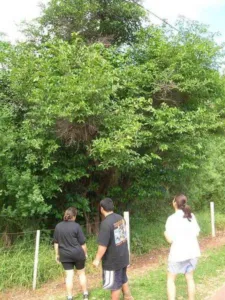
There is an Annona on the Queensland restricted invasive plant list, and it is not this one. Pond apple, Annona glabra, was brought to Australia in 1912 as grafting stock for commercial custard apple crops, escaped, and is now a restricted invasive plant under the Biosecurity Act 2014 (Qld), thick in the Wet Tropics wetlands between Cairns and Cardwell (Business Queensland, pond apple). Attested Soursop appears on neither the prohibited nor the restricted list (Queensland invasive plant lists). Attested It is worth knowing the difference if you are walking a coastal swamp on the Cassowary Coast and see a green annonaceous fruit in the mud: that is pond apple, a declared weed, and the general biosecurity obligation applies to it whether or not you like the look of it.
4. What the traditions actually use it for
Strip away the internet and a consistent, modest picture is left, and it has almost nothing to do with cancer. Soursop leaf is a domestic remedy for the gut, for fever and for sleep, across four continents, and the seed is an insecticide.
Our own stacks hold the two most relevant primary records, both World Health Organization Western Pacific regional monographs. The Papua New Guinea volume records that in Milne Bay the leaves are heated over a fire and the vapour inhaled for an upset stomach, and the heated leaves are pressed against the belly and stroked downwards for stomachache (WHO Western Pacific, Papua New Guinea monograph, p. 27, p. 27). Traditional The South Pacific volume records that in Tonga an infusion of the leaves is used for stomach ailments (WHO Western Pacific, South Pacific monograph, p. 17, p. 17). Traditional That is the entire traditional-use entry in each book. Neither monograph mentions cancer.
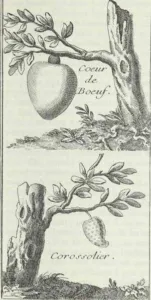
In the Caribbean the leaf infusion is sedative before it is anything else. The French food-safety review summarises the local usage plainly: leaf teas taken as sédatives, somnifères et relaxantes, plus antidiarrhoeal use, with the seeds used as a pediculicide and insecticide (AFSSA opinion 2008-SA-0171, 28/04/2010). Traditional Jean-Baptiste Labat had already figured the corossolier as a named crop of the French Antilles in 1742. Across west Africa, South America and southeast Asia the published ethnobotanical record adds febrifuge, antiparasitic, antidiabetic and hypotensive uses of leaf and bark, with the fruit eaten as food throughout (PMID 26184167). Traditional
Two things should be said about that list, and they pull in opposite directions.
The first is that it is evidence of practice, not of effect. Long use tells you a preparation was tolerated well enough to keep using and that it did something people valued. It does not tell you the thing it did was the thing they thought it did, and it is not a safety study: the Guadeloupe material in §8 is about a population with exactly this tradition.
The second is that the sedative use has a plausible pharmacological correlate, which is more than can be said for the cancer story. A hydroalcoholic leaf extract given to mice was sedative at 25, 50 and 100 mg/kg and anxiolytic and anticonvulsant at 100 mg/kg, with the effects partly reversed by flumazenil — which points at the benzodiazepine site on the GABAA receptor — and it lowered striatal noradrenaline and dopamine (PMID 30568689). Evidence suggests That is a mouse study with an intraperitoneal dose, not a cup of tea in a person. But when a tradition says “this leaf makes you sleepy” and the pharmacology says “GABAergic and monoaminergic”, the two are worth recording side by side, tagged separately, which is what this house does.
5. The chemistry, and why the plant part decides everything
Two classes of compound carry nearly all of soursop’s pharmacology and all of its toxicology. They are not distributed evenly through the tree, and they do not extract into water equally. Once you know that, most of the confusion in the public material resolves.
Annonaceous acetogenins
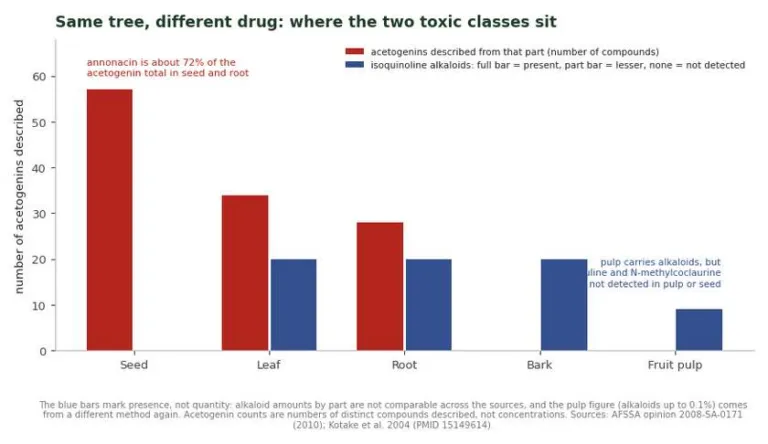
Acetogenins are long-chain fatty-acid derivatives with a terminal butenolide ring and one or more tetrahydrofuran rings along the chain. They are peculiar to the Annonaceae, they are strongly lipophilic, and they are potent inhibitors of complex I of the mitochondrial respiratory chain. Around 400 are known across the family; more than a hundred have been described from soursop alone — the French review counts 57 from the seeds, 34 from the leaves and 28 from the roots — and annonacin accounts for roughly 72% of the total acetogenin content of seed and root (AFSSA opinion 2008-SA-0171, 28/04/2010). Confirmed The Papua New Guinea monograph simply lists them, and the list runs to most of a paragraph of names: annonacin, annonacinone, annomuricins A–E, muricatocins, murihexocins, murisolin, corossolone, rolliniastatins and dozens more (WHO Western Pacific, Papua New Guinea monograph, p. 27). Attested
Isoquinoline alkaloids
The second class is smaller, better known to pharmacologists, and routinely left out of the popular material: benzyltetrahydroisoquinoline and aporphine alkaloids, chiefly reticuline, with coclaurine and N-methylcoclaurine, anonaine, asimilobine, xylopine, isolaureline and stepharine. Using LC–MS/MS, reticuline and N-methylcoclaurine were detected in every soursop sample examined except the fruit pulp and the seed, and both compounds were toxic to SH-SY5Y neuroblastoma cells and inhibited complex I (PMID 15149614). Confirmed The French review adds that pulp alkaloid content can reach 0.1%, that a commercial nectar carries about 15 ppm, and that about 90% of the leaf alkaloids pass into a traditional preparation — roughly 2 mg in a cup (AFSSA opinion 2008-SA-0171, 28/04/2010). Confirmed
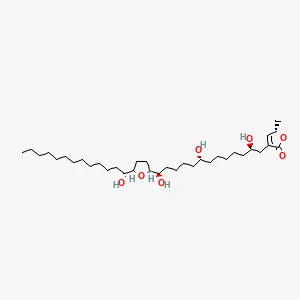
C35H64O7 · the major acetogenin of soursop and the compound the whole safety question turns on
Depiction: PubChem CID 354398 · public domain
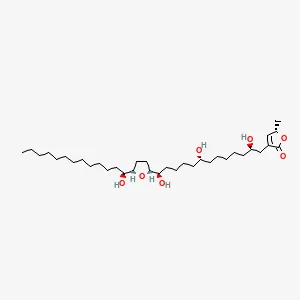
C35H64O7 · the stereoisomer; same formula, isolated alongside it
Depiction: PubChem CID 10698767 · public domain
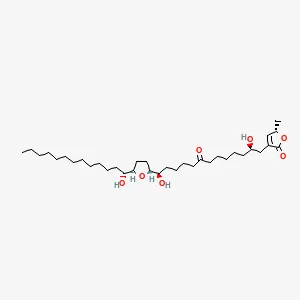
C35H62O7 · the ketone; active against Leishmania promastigotes in vitro
Depiction: PubChem CID 14456327 · public domain
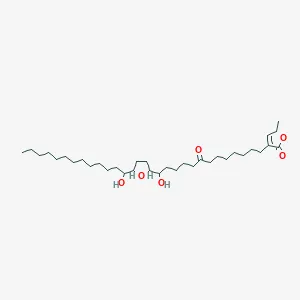
C35H62O6 · named for the corossol itself
Depiction: PubChem CID 4366126 · public domain
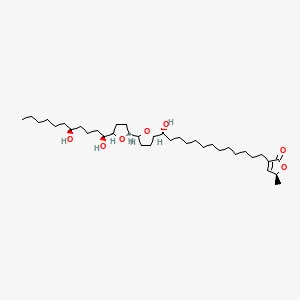
C37H66O7 · a bis-tetrahydrofuran acetogenin of the genus, first described from sugar apple, Annona squamosa
Depiction: PubChem CID 441612 · public domain
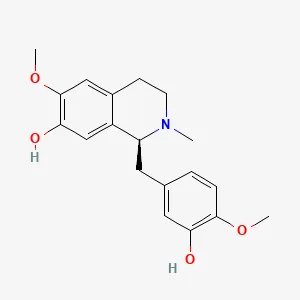
C19H23NO4 · the most abundant alkaloid; found in every part tested except pulp and seed
Depiction: PubChem CID 439653 · public domain
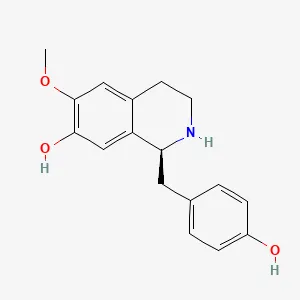
C17H19NO3 · its N-methyl derivative was detected alongside reticuline
Depiction: PubChem CID 160487 · public domain
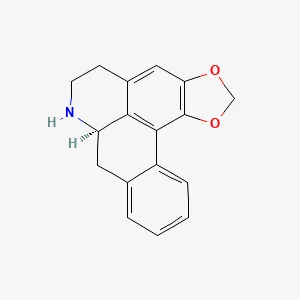
C17H15NO2 · an aporphine; flagged in silico as a probable CYP2D6 inhibitor
Depiction: PubChem CID 160597 · public domain
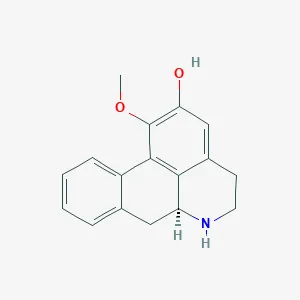
C17H17NO2 · one of the two dominant alkaloids measured in commercial soursop juice
Depiction: PubChem CID 25774982 · public domain
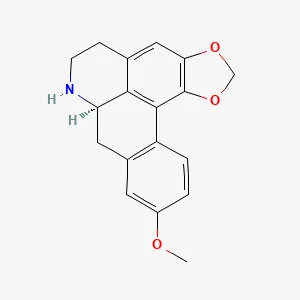
C18H17NO3 · another aporphine on the same in silico interaction list
Depiction: PubChem CID 160503 · public domain
Top row, the acetogenins: long lipophilic chains with a terminal butenolide, built to sit in a membrane. Bottom row, the alkaloids: small, rigid, water-friendlier — which is why the teacup and the capsule are not the same drug. Every structure links to its PubChem record.
The extraction arithmetic nobody puts on the packet
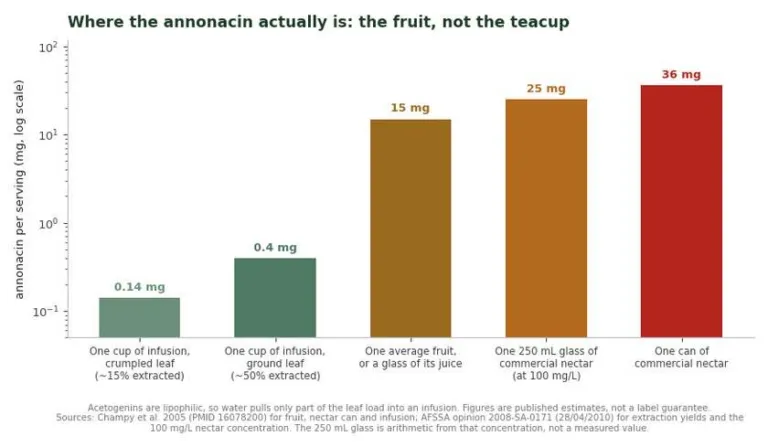
Here is the fact that surprised us most while writing this, and it cuts against the usual telling. Acetogenins are lipophilic, so water is a poor solvent for them. Measured extraction yields for a leaf infusion are about 15% from crumpled leaf and about 50% from ground leaf, which works out at 0.14 mg of annonacin in a cup made from whole leaf and 0.4 mg from ground leaf (AFSSA opinion 2008-SA-0171, 28/04/2010). Confirmed One average fruit, by contrast, carries about 15 mg of annonacin, and a can of commercial nectar about 36 mg (PMID 16078200). Confirmed
So a cup of soursop leaf tea delivers on the order of a hundredth of the annonacin in a single fruit. If acetogenins were the whole story, the fruit would be the hazard and the teacup would be trivial. They are not the whole story: the tea carries the alkaloid load instead, at around 2 mg a cup, and it is drunk daily for years where fruit is eaten seasonally. And an ethanolic leaf extract concentrated ten to one into a capsule is a third preparation again, with an acetogenin load nobody has published and no label declares. Grinding the leaf more finely more than triples the acetogenin yield. That is what “dose” means for a plant like this, and it is why §11 spends its time on plant part and solvent, and not on milligrams.
Leaf also carries the ordinary polyphenol cast you would expect — quercetin, isoquercitrin, quercitrin, rutin and kaempferol, with gallic, chlorogenic, ellagic and caffeic acids (PMID 30568689). Confirmed Those compounds are the usual explanation offered for the antioxidant and antidiabetic laboratory results, and they are the least interesting part of the plant, because they are in hundreds of other leaves.
6. Pharmacology: one mechanism, two consequences
Almost everything soursop does in a laboratory traces back to a single action. Acetogenins jam complex I — NADH:ubiquinone oxidoreductase — at the entrance to the mitochondrial respiratory chain. The cell stops making ATP by oxidative phosphorylation. Whether that reads as a promising anticancer mechanism or as neurotoxicity depends entirely on which cell you are looking at.
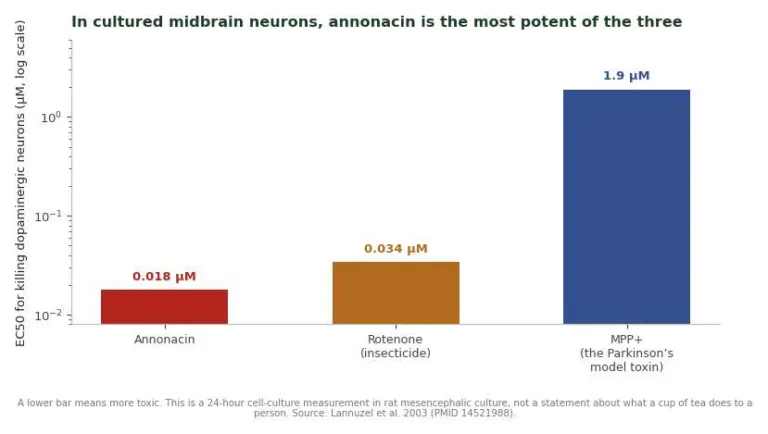
The potency is not marginal. In rat mesencephalic cultures, annonacin killed dopaminergic neurons with an EC50 of 0.018 µM, against 0.034 µM for rotenone and 1.9 µM for MPP+, the metabolite used to model Parkinson’s disease in animals (PMID 14521988). Evidence suggests It killed non-dopaminergic neurons too. Cell death was not excitotoxic and not free-radical-driven: it was energy failure, and raising glucose or mannose in the medium — feeding glycolysis, bypassing the mitochondrion — largely prevented it, while lactate and pyruvate did not.
The second consequence took longer to find. Treat cultured striatal neurons with annonacin for 48 hours and tau protein redistributes from the axons into the cell body — the somatodendritic pattern seen in tauopathies — along with mitochondria dragged back to the soma by retrograde transport (PMID 17634376). Evidence suggests Antioxidants did not prevent it; restoring ATP production did. Across 24 different lipophilic complex I inhibitors, how strongly a compound inhibited complex I predicted how strongly it redistributed phosphorylated tau, with a correlation of r = 0.80 (PMID 19682988). Evidence suggests The tau effect is a downstream consequence of the energy failure, not a separate property of the molecule.
The alkaloids contribute on a parallel track: reticuline and N-methylcoclaurine also inhibit complex I and are cytotoxic to neuronal cell lines, and annonaceous isoquinolines diffuse passively into cells and inhibit the dopamine transporter (PMID 15149614; AFSSA opinion 2008-SA-0171, 28/04/2010). Mechanism
Set against all that, the leaf has a list of gentler activities in animals and in vitro that match the traditional uses: antidiabetic and antioxidant effects of an aqueous leaf extract in streptozotocin-diabetic rats (PMID 24076471) Evidence suggests; leishmanicidal activity of the acetogenins annonacinone and corossolone against Leishmania promastigotes (PMID 23232251) Evidence suggests; and the sedative and anticonvulsant profile already described. The WHO monographs list a similar spread of reported activities, compiled from the older literature (WHO Western Pacific, Papua New Guinea monograph, p. 27; WHO Western Pacific, South Pacific monograph, p. 17). Attested None of it has been tested in people.
7. The cancer story: where it came from, and what it is worth
The laboratory work is real. Acetogenins kill cultured cancer cells at low concentrations, they are being examined as mitochondrial-targeting agents in their own right, and annonacin has been reported to work against multidrug-resistant tumour cells by interfering with ABC transporters (PMID 38113989). Evidence suggests There are reviews devoted to selective acetogenins as anticancer candidates (PMID 31379567) Evidence suggests, and the soursop literature runs to hundreds of in vitro and rodent papers (PMID 26184167). Evidence suggests Nobody at this Institute thinks that work is worthless. Complex I inhibition is a serious oncology target and there are synthetic complex I inhibitors in clinical development.
What does not exist is the next step. We went looking for clinical trials of soursop in people with cancer and found one: a randomised, double-blind, placebo-controlled study of an A. muricata leaf extract in 30 outpatients with colorectal cancer who had already had their primary tumour resected, 28 of whom completed eight weeks (PMID 28582808). Evidence suggests Its endpoints were nutritional status and the cytotoxicity of the patients’ own serum against colorectal cancer cell lines. Serum from the supplemented group was more cytotoxic than serum from the placebo group. That is an interesting laboratory readout from a real trial, and it is not a measure of whether anybody’s cancer got better. The authors say so themselves. Fourteen people per arm for eight weeks cannot answer a question about tumour response, and no trial has measured tumour response or survival.
A systematic review of the safety and tolerability of A. muricata leaf extract — run by a University of Sydney group, which is as close as this subject gets to an Australian evidence base — concluded that the plant has a “favourable safety and tolerability profile” while recording hepatoprotective, antinociceptive, anti-ulcerative, chemopreventive and neurotoxic effects in the literature it reviewed, and warning that animal doses may not translate (PMID 31659754). Evidence suggests Both halves of that sentence are in the paper. It is usually quoted with the second half removed.
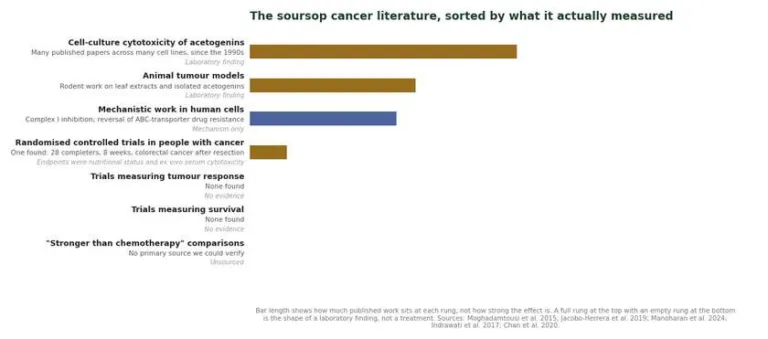
The number that travels
The specific claim that carried soursop around the internet is that it is “10,000 times stronger than chemotherapy”. It has a traceable origin in marketing and none in science: in April 2017 the United States Food and Drug Administration wrote to a Florida seller of soursop capsules, tea bags and leaves, quoting that firm’s own label — “Research has proven it to be 10,000 times stronger than the chemotherapy drug Adriamycin” (a trade name for doxorubicin; those are the seller’s words, quoted by the regulator, not ours) — along with promotional literature headed “Miracle Unleashed”, and ruled the products unapproved new drugs and misbranded under United States law (FDA warning letter, 17/04/2017). Attested That is an overseas action under overseas legislation. It has no legal effect in Australia and the FDA does not regulate anything here. It is cited because it documents where the number came from. It does not govern us.
We could not find a published head-to-head comparison supporting a ten-thousand-fold potency claim against doxorubicin, and we are not going to imply one exists. Treat it as unsourced. Even if a cell line somewhere did produce that ratio, an IC50 ratio in a dish is not a statement about people: the compound has to be absorbed, survive first-pass metabolism, reach the tumour and spare everything else. For annonacin the first of those steps has actually been measured rather than predicted: single-dose oral bioavailability in the rat is 3.2% of the ingested dose (PMID 26444335), Evidence suggests with the in silico work on the leaf acetogenins pointing the same way (PMID 42093756). Mechanism What that does and does not license is worked through in §9.
People are taking it, and their oncology teams often do not know
This is not a hypothetical market. In two thoracic oncology day units on Réunion, 67 of 100 consecutive lung cancer patients on chemotherapy or immunotherapy had consumed graviola; 53.7% took it specifically as an anticancer agent, 25 took it regularly, and 69.5% took it as an infusion of boiled leaves, all locally sourced (PMID 30195454). Evidence suggests In a Puerto Rican tertiary cancer centre, 95 of 200 patients used some complementary medicine, and soursop was the second most common thing they used, after vitamin C (PMID 33320457). Evidence suggests
Those are the two published prevalence figures we could verify, and both come from places where soursop grows. Far north Queensland is also a place where soursop grows. We are not aware of any Australian prevalence data at all, which is a gap worth naming and is on the research list in §12.
AIP’s position is short. No claim that soursop, graviola, soursop leaf tea or any soursop preparation treats, cures or prevents cancer can be made on the present evidence, and under Australian law such a claim is a prohibited representation in advertising in any case (TGA prohibited representations). Confirmed Anyone with a cancer diagnosis belongs with their oncology team, and should tell that team every herbal product they are taking, for the interaction reasons in §9.
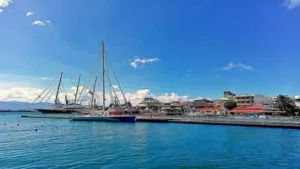
8. Guadeloupe: the part the sellers leave out
In 1999 two neurologists published a case-control study in The Lancet from the single neurological department on Guadeloupe. Of 87 consecutive patients with parkinsonism, only 22 had Parkinson’s disease. Thirty-one had progressive supranuclear palsy, 30 had atypical parkinsonism and four had atypical parkinsonism with motor neuron disease — an inversion of the European pattern. Patients in the two atypical groups had eaten far more annonaceous fruit and drunk far more herbal tea than either the Parkinson’s patients or the controls: odds ratios of 23.6 and 20.7 for fruit, 28.2 and 6.48 for herbal tea (PMID 10440304). Evidence suggests
What followed is one of the more careful pieces of environmental neurotoxicology of the last thirty years, and it ran in both directions at once — clinic and bench.
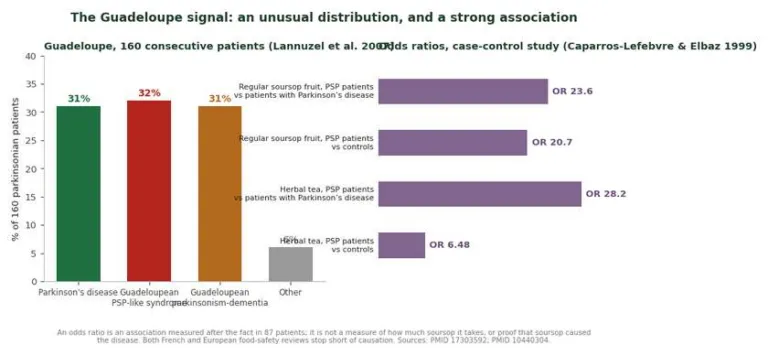
The clinic. Autopsies on three patients showed an accumulation of tau protein predominating in the midbrain, with the 64 and 69 kDa pathological tau doublet, in patients all homozygous for the H1 tau haplotype and with no tau gene mutation — a tauopathy closely related to progressive supranuclear palsy (PMID 11912113). Confirmed A cross-sectional study of 160 patients then split the syndrome in two: 31% Parkinson’s disease, 32% a Guadeloupean PSP-like syndrome with supranuclear gaze palsy, 31% a parkinsonism-dementia complex without it, 6% other. Soursop consumption was significantly greater in both atypical groups than in controls or Parkinson’s patients (PMID 17303592). Evidence suggests By 2008 the reviewers could state that atypical parkinsonism made up about two-thirds of all parkinsonism on the island, against roughly 5% in European series (PMID 18816693). Evidence suggests
The bench. Annonacin was infused intravenously into rats for 28 days at 3.8 and 7.6 mg/kg/day. It entered the brain, dropped brain ATP by 44%, and produced a 31.7% loss of dopaminergic neurons in the substantia nigra with cholinergic and GABAergic losses in the striatum — a lesion distribution resembling the human disease, in animals showing no general toxicity (PMID 14675150). Evidence suggests Mice given commercially available soursop juice as their drinking water for twelve months — a slower, more realistic exposure — accumulated phosphorylated tau in the somatodendritic compartment, most in tau-mutant mice but also in normal ones; the juice was measured at 16.2 mg/L annonacin and 18.0 mg/L isoquinoline alkaloids (PMID 27569447). Evidence suggests A 2025 post-mortem series of eight patients found tau and α-synuclein copathology in most, and showed annonacin promoting α-synuclein aggregation and cross-seeding of tau in biophysical assays (PMID 40702589). Evidence suggests
The same picture has been reported from New Caledonia, our near neighbour, where annonaceous consumption and atypical parkinsonism were also linked (PMID 15133832; PMID 15133833), and set alongside the older tropical clusters on Guam and the Kii peninsula (PMID 16874753). Evidence suggests
What the regulators made of it
Two food-safety agencies have looked at this in full, and neither concluded what a seller or a scaremonger would want.
France’s AFSSA, asked by the health ministry to assess the risk from soursop and its preparations, reported on 28 April 2010. Its findings, in its own order: the neurotoxicity of annonacin in animal and cell models is established; the cytotoxicity of the isoquinoline alkaloids is established; but on the available data it is not possible to affirm that the Guadeloupe cases are caused by consuming Annonaceae. It criticised its own evidence base sharply — the rat study used the intravenous route, not the oral one; there were no kinetic data; there was no dose-response relationship and no no-effect level, which makes the neurotoxicity very hard to interpret; and the consumption estimates needed proper dietary surveys. It declined to set any quantitative consumption recommendation, said preparations deserve particular attention because of the risk of extracting toxic compounds, and recommended continued epidemiological surveillance plus a toxicovigilance scheme for soursop and soursop extracts (AFSSA opinion 2008-SA-0171, 28/04/2010). Confirmed
Ten years later a risk assessment on Annona muricata in food supplements, carried out at the German Federal Institute for Risk Assessment under the European Food Safety Authority’s fellowship programme, reached the same place from the supplement side: the available data give indications of neurotoxic potential for certain preparations, the shortage of adequate long-term studies means no safe intake level can be established, and substantial uncertainties remain about the safe use of these supplements (PMID 33294051). Confirmed
Both are overseas documents. Neither binds the Therapeutic Goods Administration and neither is Australian law. What they are is the best available assessment of the same question an Australian buyer faces, done twice, by two agencies, ten years apart, with access to all the primary data.
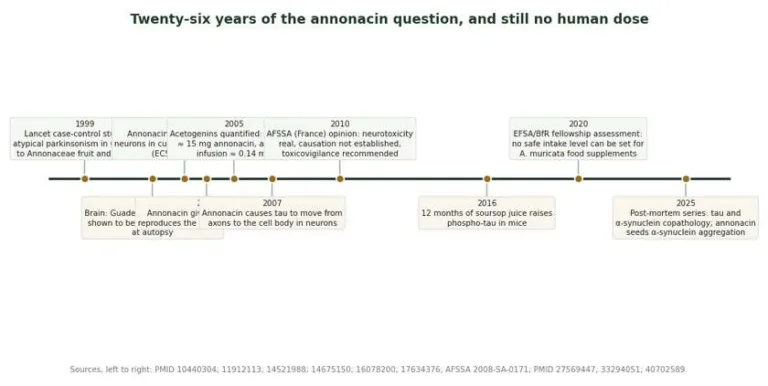
Reading the signal honestly
It is easy to write this chapter badly in either direction. So, plainly:
The association is strong, replicated across sites, biologically plausible, and supported by a mechanism that has been demonstrated in cells, in rats and in mice. It is not proof of cause in humans. The exposure in Guadeloupe was lifelong and heavy — an estimated cumulative 150 g of annonacin in affected patients against 20–30 g in Parkinson’s patients and controls, on the authors’ own rough dietary reconstruction (AFSSA opinion 2008-SA-0171, 28/04/2010) Evidence suggests — and it combined fruit, nectar and daily leaf tea in a population also exposed to other complex I inhibitors. Eating a soursop at a Cairns market is not that exposure. Drinking a strong leaf decoction every day for a decade because a website said it treats cancer is a great deal closer to it than most Australian buyers realise.
9. Safety: what can honestly be said
There is no established human dose for any soursop preparation, and no authority has set a safe intake level (PMID 33294051). Confirmed That is the starting point, and it is not a rhetorical flourish: it means nobody — not us, not a seller, not a label — can tell you what amount of leaf tea is safe over years, because the study that would answer it has not been done.
Against that, the fruit is eaten in enormous quantities across the tropics and acute poisoning from eating it is not a feature of the literature. That absence is worth something, but less than it looks: no country operates a toxicovigilance scheme for this plant — AFSSA asked France to build one in 2010 — and in Australia, with no ARTG entry and therefore no sponsor to report against, the only signal that could ever exist is a spontaneous consumer report (§10). Absence of reports is partly absence of looking. The realistic concern, in any case, is chronic, cumulative and neurological, never acute.
How much of it actually gets in
One number does more work in this chapter than any other, and it is missing from almost every popular account of soursop: annonacin is poorly absorbed. Its pharmacokinetics were measured in the rat in 2015 — five years after the French review complained that no kinetic data existed. After a 10 mg/kg oral dose the plasma peak was 7.9 ng/mL at fifteen minutes, the half-life was 4.8 hours, the apparent volume of distribution was large, and oral bioavailability was 3.2% of the ingested dose (PMID 26444335). Evidence suggests
That figure cuts both ways, and both ways belong in an honest safety section. It means the rat experiment that produced the nigral lesion — 3.8 to 7.6 mg/kg/day given intravenously, so all of it systemic (PMID 14675150) — corresponds to an oral dose in the same animal something like thirty times larger, which leaves a wide margin above a fruit carrying 15 mg or a teacup carrying 0.14 mg. Mechanism We have deliberately not converted that into a human figure: interspecies dose scaling for annonacin has not been published, and inventing one here would be exactly the false precision this article criticises elsewhere. It also means two of the criticisms AFSSA made in §8 — intravenous route, no kinetic data — are now only half answered. Plasma kinetics exist; brain concentrations have been quantified, but only after intravenous dosing (PMID 27058514). Attested How much of a swallowed dose reaches a human midbrain over twenty years of daily tea is still unmeasured, and poor absorption plus a long tissue residence plus lifelong daily exposure is precisely the combination that a single-dose bioavailability figure cannot settle.
Who has the most reason to avoid it
- Anyone with Parkinson’s disease, progressive supranuclear palsy, an atypical parkinsonian syndrome or another neurodegenerative diagnosis. The entire mechanism in §6 points at exactly those cell populations, and the Guadeloupean syndrome was levodopa-resistant (PMID 18816693). Mechanism
- Anyone on chemotherapy or targeted cancer therapy. Beyond the general principle, an in silico screen of twelve soursop leaf compounds flagged the aporphine alkaloids isolaureline, xylopine and anonaine as high-probability CYP2D6 inhibitors with good absorption and blood–brain barrier penetration, while the acetogenins looked unlikely to interact systemically (PMID 42093756). Mechanism That is a computer prediction, not a measured interaction — but CYP2D6 handles a long list of medicines, and the Réunion authors made the same point from the clinic: the consequences of this intake and its drug interactions are simply unknown (PMID 30195454). Mechanism There is also a second interaction limb hiding inside the anticancer literature itself. The paper cited in §7 for annonacin reversing multidrug resistance did it by acting on P-glycoprotein: docking into its drug-binding site, reducing its expression 2.56-fold, and raising intracellular accumulation of a P-glycoprotein substrate in oxaliplatin-resistant colon cancer cells (PMID 38113989). Evidence suggests Read as oncology, that is a hoped-for benefit. Read as pharmacokinetics, it is a drug-interaction mechanism, because P-glycoprotein also governs the absorption and clearance of a long list of ordinary medicines and inhibiting it raises their exposure. It has been shown in cells, never in a patient, and which way it runs in a person drinking leaf tea alongside treatment has not been measured. Mechanism
- Pregnancy and breastfeeding. No human data exist either way, and our PubMed searches on 20/09/2026 found no study of placental or milk transfer of annonacin in any species — not a reassuring negative, an empty one. The South Pacific monograph lists uterine stimulant activity among the plant’s reported biological activities (WHO Western Pacific, South Pacific monograph, p. 17) Attested — a line in a compiled list of reported activities, not a measured effect, and it should not be quoted as though it were one. The mechanistic case for caution is the same one running through this whole article: a lipophilic compound that distributes extensively out of plasma into tissue (PMID 26444335) and inhibits mitochondrial complex I is not one to experiment with in a developing nervous system, and compounds with that profile are generally the ones that do appear in milk. Mechanism
- Children. No paediatric data at all, in either direction: no dose, no tolerability series, no case series. Mechanism Two things make that gap worth stating and not passing over. The first is arithmetic. Dose in a child is carried by body weight while the annonacin in a serve is fixed, and a can of nectar carries about 36 mg (PMID 16078200) Confirmed — so a 20 kg child who drinks one takes in roughly three and a half times the dose per kilogram that a 70 kg adult takes from the same can. That is our own arithmetic from the published per-serve figure, not a measured exposure. Mechanism The second is that the products children actually drink are the fruit ones, juice and nectar rather than leaf tea — and commercial juice is the vehicle used in the only long-term animal experiment modelling ordinary consumption, the twelve-month mouse study in §8 (PMID 27569447). Evidence suggests None of that is evidence of harm to a child at ordinary fruit intakes, and it should not be read as a reason to take soursop off a family table. It is the reason a graviola capsule, a concentrated extract or a daily leaf decoction is a materially different proposition in a child than an occasional fruit.
- People on blood-pressure or glucose-lowering medicines. An aqueous leaf extract lowered blood glucose in streptozotocin-diabetic rats (PMID 24076471), and hypotensive activity in rats is among the effects compiled in the review literature (PMID 26184167) Evidence suggests, so an additive effect is plausible and unmeasured. Mechanism
- Before surgery or with sedatives. The animal sedative profile (PMID 30568689) makes additive central depression plausible. Mechanism
The change that should not be waited out
If one paragraph in this article is worth acting on instead of noting, it is this one. The harm attached to this plant does not announce itself as a rash or an upset stomach. The Guadeloupean syndrome presented as slowness and rigidity, falls and postural instability early in the illness, difficulty moving the eyes vertically — looking down a staircase, up at a high shelf — swallowing difficulty, and cognitive or behavioural change; and unlike ordinary Parkinson’s disease it did not respond to levodopa (PMID 10440304; PMID 17303592; PMID 18816693). Evidence suggests None of those features is specific to soursop. All of them are commoner in Australia for other reasons entirely, and the overwhelming majority of people who develop them have never touched the plant. None of them is a Triple Zero call either. But if they are new or getting worse they warrant prompt neurological assessment, never watchful waiting, and that assessment is a great deal better for knowing about a leaf tea or a capsule that has been running quietly for years — which is the single most useful thing anyone in that position can bring to it. Stopping the exposure is also the only part of this that a person controls.
The seed is not a food
Seeds carry the densest acetogenin chemistry in the plant, with annonacin at around 72% of the acetogenin total, and their traditional uses — pediculicide, insecticide, fish poison in some annonaceous species — are the uses of a toxin (AFSSA opinion 2008-SA-0171, 28/04/2010). Traditional Soursop seeds are hard and are normally spat out. A preparation that grinds them in is a different product from a leaf tea, and there is no reason to think it is safe.
If something goes wrong. For collapse, seizure, severe confusion, difficulty breathing or a sudden inability to move or speak, call Triple Zero (000). For a swallowed overdose, a child who has eaten seeds or any preparation, or any poisons question, call the Poisons Information Centre on 13 11 26, 24 hours, anywhere in Australia.
Then report it. A reaction to a herbal product can be reported to the TGA whether or not the product is on the ARTG, and for an unapproved product that report is the only way the regulator will ever hear about it (report an adverse event to the TGA). Before taking any botanical drug, consult a degree-qualified herbalist with competencies and adequate training in pharmacognosy.
10. The Australian position, read from the instruments
We read each of these from the regulator’s or the legislature’s own document on 20/09/2026. Any of them can change; the dates matter.
It is not a scheduled poison
The full text of the Therapeutic Goods (Poisons Standard—June 2026) Instrument 2026 returns no entry for Annona, muricata, soursop, graviola or annonacin (Poisons Standard, June 2026). Attested Soursop is not a scheduled substance in Australia, and it is not a narcotic or other controlled substance in the Office of Drug Control sense either (Office of Drug Control). Attested Two things follow. First, the Poisons Standard has no operative force of its own: it takes legal effect in this state through the Medicines and Poisons Act 2019 (Qld) and the regulations under it, and a plant that appears in no schedule sits outside that machinery altogether — no supply restriction, no prescription requirement, nothing for a state inspector to enforce against the plant as such. Second, the Standard is amended several times a year, so what follows is a reading taken on 20/09/2026 and not a permanent position. Growing the tree, selling the fruit and eating it are all lawful.
It is not a permitted ingredient, and there is nothing on the ARTG
This is the part most Australian buyers have never been told. A listed complementary medicine — the AUST L products that fill the pharmacy shelf — may only contain ingredients named in the Therapeutic Goods (Permissible Ingredients) Determination. We searched all six documents of the current Determination, made 05/06/2026 and in force from 11/06/2026: ANNONA does not appear anywhere in it (Permissible Ingredients Determination). Attested Soursop therefore cannot lawfully be an ingredient in a listed medicine in Australia.
And in fact there is nothing at all. Keyword searches of the Australian Register of Therapeutic Goods for soursop, graviola, muricata and annonacin each returned “There were no matching results” (ARTG public search). Attested Not one approved therapeutic good in this country contains this plant.
Read those two findings together and the practical position falls out:
- A soursop product sold as a food — the fruit, a juice, a tea sold as a tea with no health claim on it — sits under food law, administered in this state through the Food Act 2006 (Qld) and the Australia New Zealand Food Standards Code. That is a genuinely different regulatory world with different labelling rules.
- A soursop product sold with a therapeutic claim — for cancer, immunity, parasites, sleep, diabetes, anything — is a therapeutic good. Since it cannot be listed and is not registered, it is an unapproved therapeutic good, and a cancer claim on it is additionally a prohibited representation (TGA prohibited representations). Confirmed
- An individual may still lawfully import unapproved goods for personal use under the Personal Importation Scheme: no more than a three-month supply at the manufacturer’s recommended dose in one consignment, no more than fifteen months’ supply in twelve months, for the importer or an immediate family member only, never for sale or supply to anyone else, and in original or otherwise identifiable packaging (TGA Personal Importation Scheme). Confirmed One condition of that scheme is routinely missed and matters for a dried leaf: the goods must not be prohibited under Australian customs or quarantine rules, so satisfying the TGA does not satisfy biosecurity, and imported plant material must meet the biosecurity import conditions in its own right (Australian biosecurity import conditions). Attested Subject to that, the scheme is the legal channel through which most graviola capsules reach Australian letterboxes, and it carries no assessment of the product whatsoever. Nobody has checked it. That is the deal.
One question we could not settle: whether a soursop leaf tea requires a novel-food assessment under Standard 1.5.1 of the Food Standards Code, given that the food history in Australia is of the fruit, and not of the leaf. Food Standards Australia New Zealand publishes a record of views formed on such enquiries, and we could not retrieve an entry for Annona muricata from that record on 20/09/2026. We mark that unsourced and do not guess, and it is on the research list.
Weeds and biosecurity
Soursop is on neither the prohibited nor the restricted invasive plant list for Queensland (Queensland invasive plant lists); pond apple is (Business Queensland, pond apple). Attested The general biosecurity obligation under the Biosecurity Act 2014 (Qld) still applies to everyone, and importing plant material of any species has its own conditions under the Commonwealth biosecurity import system (Australian biosecurity import conditions). Attested
If you have a reaction
Report it to the TGA (report an adverse event to the TGA). Consumers can report directly; you do not need a health professional to do it for you, and you do not need the product to be on the ARTG. With zero ARTG entries, spontaneous consumer reports are the only Australian signal that could ever exist for this plant, which means the absence of Australian adverse event data tells you nothing about whether harm is occurring here. Spontaneous reporting is a blunt instrument, but it is not a useless one: the Australian adverse-event signal on andrographis, covered earlier in this series, was built out of exactly those reports.
11. Quality: what is actually in a graviola capsule
Because nothing containing soursop is on the ARTG, no soursop product sold to Australians has been through the listing process, the sponsor obligations, the manufacturing-principles requirements or the ingredient specifications that come with an AUST L number. Whatever assurance a buyer gets is the seller’s own. Four things follow, and a careful buyer can actually check three of them.
Plant part. The single most important variable, and the one most often missing. Leaf, seed, bark and root are chemically different, as §5 and Figure 3 show. “Graviola 500 mg” on a bottle tells you nothing. A product that does not name the plant part has not told you what drug it is.
Solvent and extract ratio. Water pulls perhaps 15% of the leaf acetogenin load into an infusion from whole leaf and about 50% from ground leaf (AFSSA opinion 2008-SA-0171, 28/04/2010). Confirmed Ethanol pulls far more. A “10:1 extract” in a capsule is therefore not comparable to a cup of tea at all, and nobody has published the acetogenin content of the commercial capsule market. That is a straightforward analytical gap: it needs an HPLC-MS survey of what is actually on sale, and until somebody runs one, any statement about capsule exposure is guesswork.
Species identity. Several Annona species have overlapping common names, overlapping morphology in dried leaf, and overlapping chemistry — and dried, crumbled leaf is exactly the material form in which botanical substitution is hardest to spot by eye. Identity confirmation for a dried leaf is a laboratory job: macroscopic and microscopic examination against a voucher specimen, then a chromatographic fingerprint, and DNA barcoding where the morphology has been destroyed.
The ordinary contaminants. Heavy metals, pesticide residues, aflatoxins and microbial load are the usual questions for any imported dried leaf, and for an unapproved product nobody is asking them on your behalf.
We could not identify a monograph for Annona muricata in the British or United States pharmacopoeias, which means there is no agreed assay, no marker-compound specification and no identity test that a laboratory could be asked to apply as a standard. We record that as an absence we could not close on 20/09/2026, not as a finding. Compare Pelargonium sidoides, where a single characterised extract runs through the whole trial literature: that is the difference between a preparation somebody can study and one nobody can.
12. Discussion: conclusions, hypotheses and research still required
What this article supports
Annona muricata is a real medicinal plant with a documented, modest and geographically consistent tradition of use — the leaf for digestive complaints, fever and sleep, the seed as an insecticide, the fruit as food — recorded in two World Health Organization Western Pacific monographs and across the Caribbean, west Africa and southeast Asia. Traditional Its chemistry is dominated by annonaceous acetogenins, which are potent lipophilic inhibitors of mitochondrial complex I, and by isoquinoline alkaloids that inhibit the same complex less potently and also affect dopamine handling. Confirmed The plant part and the extraction solvent decide which of those two classes a preparation actually delivers, and by how much. Confirmed
The anticancer material is a laboratory finding. One small randomised trial with a surrogate endpoint does not change that, and no trial has measured tumour response or survival. Evidence suggests No claim of treating cancer can be made, and in Australia such a claim is also unlawful in advertising. Confirmed
The neurotoxicity signal is the most substantial body of evidence attached to this plant, and it is the one most often missing from the material a buyer reads. This series has met that shape before, in Syrian rue (Peganum harmala) — a plant whose traditional use and whose toxicology have to be read together or not at all. An unusual concentration of levodopa-resistant atypical parkinsonism on Guadeloupe was associated with annonaceous fruit and herbal tea consumption; the suspected agent, annonacin, reproduces a matching lesion pattern in rats and tau pathology in cultured neurons and in mice. Evidence suggests Two overseas food-safety agencies reviewed it and both stopped short of causation while declining to set a safe intake level. Confirmed Neither is Australian law.
In Australia the plant is lawful to grow, eat and sell as food; it is absent from the Poisons Standard; it is not a permitted ingredient in listed medicines; and there is not one ARTG entry containing it. Attested Ninety-seven point six per cent of the country’s recorded soursop plantings are in north Queensland, on the Institute’s doorstep. Evidence suggests
What remains hypothesis
That long-term daily leaf-tea drinking is the exposure pattern of real concern in a country like Australia is a hypothesis, not a finding, and our own Figure 2 complicates it: per cup, a leaf infusion carries roughly a hundredth of the annonacin in one fruit. Mechanism The countervailing arguments are that the tea delivers about 90% of the leaf’s alkaloid load, that it is drunk daily and for years, never seasonally, and that concentrated ethanolic extracts in capsules are a third exposure nobody has measured. Which of the three matters most is genuinely unresolved, and we would rather say so.
That the aporphine alkaloids create a clinically meaningful CYP2D6 interaction during chemotherapy is a hypothesis generated by software, not an observation in a patient. Mechanism It deserves a laboratory test. A warning label written as if it were established is premature.
That soursop’s traditional sedative use reflects GABAergic activity is a reasonable mechanistic hypothesis supported by one flumazenil-reversible mouse study. Evidence suggests It is also, in our view, the most clinically interesting thing about the leaf and the least investigated.
What research would actually move this
- Toxicology. The 13-week oral repeat-dose study in rodents that AFSSA asked for in 2010 still does not appear to have been done by the oral route with a dose-response and a no-observed-effect level. Everything downstream — a tolerable daily intake, a label warning, a regulatory decision — is blocked on it.
- Pharmacokinetics. Part of this is done and deserves to be far better known than it is: single-dose oral bioavailability of annonacin in the rat is 3.2% (PMID 26444335), and a validated brain assay exists but has so far been applied only after intravenous dosing (PMID 27058514). What is still missing is brain and tissue concentration after repeated oral dosing, accumulation over months, metabolism, and any kinetic data at all for reticuline. Until those exist, every exposure estimate for a daily tea drinker — including ours in §9 — is arithmetic and not measurement.
- Analytical chemistry and quality. An HPLC-MS survey of soursop leaf teas and graviola capsules actually available to Australian buyers, reporting annonacin and total acetogenins per gram and per serve, plus species confirmation by DNA barcoding. This is the single most useful piece of work available to an Australian laboratory, and it needs no ethics approval.
- Preparation science. A controlled comparison of infusion time, leaf particle size, water temperature and ethanol content against acetogenin and alkaloid yield. The existing yield figures — 15% versus 50% for crumpled versus ground leaf — come from one source and deserve replication, because they are the closest thing to a dose control a tea drinker has.
- Epidemiology. Nobody knows how many Australians consume soursop leaf preparations, how often, or in what form. A prevalence study in far north Queensland oncology and general practice, modelled on the Réunion survey, would take a few months and would tell the TGA more than any amount of literature review.
- Clinical research. If anybody is going to run a trial, the sedative and anxiolytic question is a more honest target than oncology, and an ethics committee could actually approve it. Any oncology trial would have to start with a proper phase I. A surrogate endpoint will not do.
- Ethnobotany. The Papua New Guinea and South Pacific monographs record two sentences of traditional use each, from the 1990s and 2000s. Our region deserves better documentation than that, and the knowledge holders are still alive.
- Regulatory science. Two specific questions: whether soursop leaf requires a novel-food assessment in Australia, and whether an ingredient absent from the Permissible Ingredients Determination but freely importable under the Personal Importation Scheme is a gap worth the TGA’s attention. Both are answerable from the public record by somebody with a week to spend.
If a single sentence survives this article, make it this one: soursop is a good fruit, an interesting leaf, an unfinished piece of toxicology and not a cancer treatment — and the reason to be careful with it is the part of the science that the people selling it never mention.
About the Australian Institute of Pharmacognosy and this series
The Australian Institute of Pharmacognosy is a clinic and research laboratory in Cardwell, far north Queensland, studying medicinal plants and natural products to the same evidentiary standard as any other branch of pharmacology: traditional knowledge taken seriously, and tested honestly. Visit the Institute at australian-pharmacognosy.org.
Series: AIP Monographs. Previous: umckaloabo (Pelargonium sidoides) · andrographis (Andrographis paniculata) · Syrian rue (Peganum harmala), another plant whose traditional use and its toxicology have to be read together · rosary pea (Abrus precatorius). Follow the series for a new evidence-graded monograph each morning.
Corrections: if you find an error or a source we have missed, write to the Institute at our contact form. We would rather correct a claim than repeat it.
Head of Education and Research
Australian Institute of Pharmacognosy
Cardwell QLD, Australia
australian-pharmacognosy.org · our contact form
Suggested citation: Ridley T. Soursop (Annona muricata L.): an evidence-graded monograph on traditional use, acetogenin and alkaloid chemistry, the anticancer literature, the annonacin neurotoxicity signal and the Australian regulatory position. AIP Monograph No. 5. Cardwell (QLD): Australian Institute of Pharmacognosy; 2026.
Educational content only; not medical, legal or regulatory advice. Australian regulatory information reflects the Permissible Ingredients Determination, the Poisons Standard, the ARTG, Queensland invasive plant listings and TGA publications as read on 20/09/2026 and may change. French, European Union and United States documents are cited as overseas material and do not apply in Australia. No Australian brand, product or sponsor is named in this article and no product is advertised, endorsed or recommended; the proprietary names quoted in §7 are taken verbatim from a published overseas regulatory document and appear on that basis only. Nothing here is a recommendation to buy, avoid, supply or take any product.
References
49 references: tap to open
Listed in order of first citation. All 30 PMIDs were verified against PubMed on 20/09/2026; every regulatory, legislative, botanical and library record was read from its own source the same day.
- Therapeutic Goods Administration. Australian Register of Therapeutic Goods public search. Keyword searches run 20/09/2026 for “soursop”, “graviola”, “muricata” and “annonacin”: each returned “There were no matching results.” https://www.tga.gov.au/resources/artg?keywords=graviola
- Feast of the Senses (Innisfail, Queensland). Ultra-Tropic Fruits, industry profile of Queensland tropical exotic fruit crops, credited on the page to the South Johnstone office of the Queensland Department of Primary Industries. Soursop: 2,440 trees in north Queensland, 97.6% of total plantings, 60 trees reported in the Northern Territory, estimated production potential 50 tonnes at 20 kg per tree, value about $0.30M. The page is undated and the survey post-dates Cyclone Larry (2006); read 20/09/2026. https://www.feastofthesenses.com.au/ultra-tropic-fruits/
- Indrawati L, Ascobat P, Bela B, Abdullah M, Surono IS. The effect of an Annona muricata leaf extract on nutritional status and cytotoxicity in colorectal cancer: a randomized controlled trial. Asia Pac J Clin Nutr. 2017;26(4):606-612. PMID 28582808. DOI 10.6133/apjcn.062016.02.
- Therapeutic Goods Administration. Restricted and prohibited representations in advertising. A representation about the treatment, cure, prevention, diagnosis or monitoring of neoplastic disease — all types of cancer — is a prohibited representation; it cannot be applied for, and the TGA may permit it only in specific advertisements where necessary for public health or appropriate use. Read 20/09/2026. https://www.tga.gov.au/products/regulations-all-products/advertising/applying-advertising-code/restricted-and-prohibited-representations-advertising
- Lannuzel A, Ruberg M, Michel PP. Atypical parkinsonism in the Caribbean island of Guadeloupe: etiological role of the mitochondrial complex I inhibitor annonacin. Mov Disord. 2008 Nov 15;23(15):2122-8. PMID 18816693. DOI 10.1002/mds.22300.
- German Federal Institute for Risk Assessment (BfR), Department of Food Safety, Berlin, Germany, Raclariu-Manolica AC, Bakhiya N, Hirsch-Ernst KI. Risk assessment regarding the use of Annona muricata in food supplements. EFSA J. 2020 Nov;18(Suppl 1):e181112. PMID 33294051. DOI 10.2903/j.efsa.2020.e181112.
- Agence française de sécurité sanitaire des aliments (AFSSA). Avis relatif aux risques liés à la consommation de corossol et de ses préparations. Saisine n° 2008-SA-0171, Maisons-Alfort, 28 April 2010, signed Marc Mortureux. Overseas assessment, in French; it has no legal effect in Australia. Full text read 20/09/2026. https://www.anses.fr/en/system/files/NUT2008sa0171.pdf
- International Plant Names Index. Annona muricata L., Annonaceae; protologue Species Plantarum 1: 536 (1 May 1753). IPNI identifier 14308-2. Queried 20/09/2026. https://www.ipni.org/n/14308-2
- World Health Organization, Regional Office for the Western Pacific. Medicinal plants in Papua New Guinea: 126 commonly used medicinal plants. Manila: WHO WPRO; 2009. Annona muricata L. (Annonaceae), p. 27, with the traditional-use entry continued at p. 258. Copy held in the Institute’s library and read 20/09/2026. https://iris.who.int/handle/10665/207503
- World Health Organization, Regional Office for the Western Pacific. Medicinal plants in the South Pacific: 102 commonly used medicinal plants. Manila: WHO WPRO; 1998 (WHO Regional Publications, Western Pacific Series No. 19). Annona muricata L. (Annonaceae), p. 17. Copy held in the Institute’s library and read 20/09/2026. https://iris.who.int/handle/10665/207008
- Atlas of Living Australia / Australian Plant Name Index. Annona muricata L., Annonaceae; Australian common names recorded as durian belanda, soursop and sour sop; APNI node 2909857. Read 20/09/2026. https://id.biodiversity.org.au/node/apni/2909857
- Al Kazman BSM, Harnett JE, Hanrahan JR. Traditional Uses, Phytochemistry and Pharmacological Activities of Annonacae. Molecules. 2022 May 27;27(11):3462. PMID 35684400. DOI 10.3390/molecules27113462.
- Atlas of Living Australia. Occurrence record search for Annona muricata filtered to Australia, run via the ALA biocache web service on 20/09/2026: 22 records (Queensland 20, Northern Territory 2), of which 7 are preserved specimens, 6 of them held by the Australian Tropical Herbarium (CNS) in Cairns; earliest specimens 1939 and 1942. https://biocache.ala.org.au/occurrences/search?q=taxon_name%3A%22Annona+muricata%22&fq=country%3AAustralia
- Business Queensland. Pond apple (Annona glabra), restricted invasive plant fact sheet: introduced to Australia in 1912 as grafting stock for commercial custard apple crops, now prevalent in Queensland’s Wet Tropics with smaller infestations elsewhere in Queensland and near Darwin. Read 20/09/2026. https://www.business.qld.gov.au/industries/farms-fishing-forestry/agriculture/biosecurity/plants/invasive/restricted/pond-apple
- Business Queensland. Prohibited and restricted invasive plants under the Biosecurity Act 2014 (Qld). Both lists checked 20/09/2026: Annona muricata appears on neither; Annona glabra (pond apple) is a restricted invasive plant. The Act’s general biosecurity obligation applies regardless of listing. https://www.business.qld.gov.au/industries/farms-fishing-forestry/agriculture/biosecurity/plants/invasive/restricted
- Moghadamtousi SZ, Fadaeinasab M, Nikzad S, Mohan G, Ali HM, Kadir HA. Annona muricata (Annonaceae): A Review of Its Traditional Uses, Isolated Acetogenins and Biological Activities. Int J Mol Sci. 2015 Jul 10;16(7):15625-58. PMID 26184167. DOI 10.3390/ijms160715625.
- Souza DO, Dos Santos Sales V, de Souza Rodrigues CK, de Oliveira LR, Santiago Lemos IC, de Araújo Delmondes G, et al. Phytochemical Analysis and Central Effects of Annona Muricata Linnaeus: Possible Involvement of the Gabaergic and Monoaminergic Systems. Iran J Pharm Res. 2018;17(4):1306-1317. PMID 30568689.
- Kotake Y, Okuda K, Kamizono M, Matsumoto N, Tanahashi T, Hara H, et al. Detection and determination of reticuline and N-methylcoculaurine in the Annonaceae family using liquid chromatography-tandem mass spectrometry. J Chromatogr B Analyt Technol Biomed Life Sci. 2004 Jun 25;806(1):75-8. PMID 15149614. DOI 10.1016/j.jchromb.2004.03.017.
- Champy P, Melot A, Guérineau Eng V, Gleye C, Fall D, Höglinger GU, et al. Quantification of acetogenins in Annona muricata linked to atypical parkinsonism in guadeloupe. Mov Disord. 2005 Dec;20(12):1629-33. PMID 16078200. DOI 10.1002/mds.20632.
- Lannuzel A, Michel PP, Höglinger GU, Champy P, Jousset A, Medja F, et al. The mitochondrial complex I inhibitor annonacin is toxic to mesencephalic dopaminergic neurons by impairment of energy metabolism. Neuroscience. 2003;121(2):287-96. PMID 14521988. DOI 10.1016/s0306-4522(03)00441-x.
- Escobar-Khondiker M, Höllerhage M, Muriel MP, Champy P, Bach A, Depienne C, et al. Annonacin, a natural mitochondrial complex I inhibitor, causes tau pathology in cultured neurons. J Neurosci. 2007 Jul 18;27(29):7827-37. PMID 17634376. DOI 10.1523/JNEUROSCI.1644-07.2007.
- Höllerhage M, Matusch A, Champy P, Lombès A, Ruberg M, Oertel WH, et al. Natural lipophilic inhibitors of mitochondrial complex I are candidate toxins for sporadic neurodegenerative tau pathologies. Exp Neurol. 2009 Nov;220(1):133-42. PMID 19682988. DOI 10.1016/j.expneurol.2009.08.004.
- Florence NT, Benoit MZ, Jonas K, Alexandra T, Désiré DD, Pierre K, et al. Antidiabetic and antioxidant effects of Annona muricata (Annonaceae), aqueous extract on streptozotocin-induced diabetic rats. J Ethnopharmacol. 2014 Feb 03;151(2):784-90. PMID 24076471. DOI 10.1016/j.jep.2013.09.021.
- Vila-Nova NS, de Morais SM, Falcão MJ, Alcantara TT, Ferreira PA, Cavalcanti ES, et al. Different susceptibilities of Leishmania spp. promastigotes to the Annona muricata acetogenins annonacinone and corossolone, and the Platymiscium floribundum coumarin scoparone. Exp Parasitol. 2013 Mar;133(3):334-8. PMID 23232251. DOI 10.1016/j.exppara.2012.11.025.
- Manoharan JP, Palanisamy H, Vidyalakshmi S. Overcoming multi drug resistance mediated by ABC transporters by a novel acetogenin- annonacin from Annona muricata L. J Ethnopharmacol. 2024 Mar 25;322:117598. PMID 38113989. DOI 10.1016/j.jep.2023.117598.
- Jacobo-Herrera N, Pérez-Plasencia C, Castro-Torres VA, Martínez-Vázquez M, González-Esquinca AR, Zentella-Dehesa A. Selective Acetogenins and Their Potential as Anticancer Agents. Front Pharmacol. 2019;10:783. PMID 31379567. DOI 10.3389/fphar.2019.00783.
- Chan WJ, McLachlan AJ, Hanrahan JR, Harnett JE. The safety and tolerability of Annona muricata leaf extract: a systematic review. J Pharm Pharmacol. 2020 Jan;72(1):1-16. PMID 31659754. DOI 10.1111/jphp.13182.
- United States Food and Drug Administration, Florida District Office. Warning letter FLA-17-08 (MARCS-CMS 512798), 17 April 2017, to a Florida seller of soursop capsules, tea bags and leaves; quotes the seller’s own labelling, including “Research has proven it to be 10,000 times stronger than the chemotherapy drug Adriamycin” and promotional literature headed “Miracle Unleashed”, and finds the products to be unapproved new drugs and misbranded under the United States Federal Food, Drug, and Cosmetic Act. Overseas enforcement action under overseas law; it has no legal effect in Australia. The letter identifies the firm it was addressed to; this article does not repeat that name, makes no statement about the firm’s current status, conduct or products, and relies on the letter only as the published record of where the ‘10,000 times’ claim originated. Read 20/09/2026. https://www.fda.gov/inspections-compliance-enforcement-and-criminal-investigations/warning-letters/amazing-sour-sop-inc-512798-04172017
- Bonneau N, Schmitz-Afonso I, Brunelle A, Touboul D, Champy P. Method development for quantification of the environmental neurotoxin annonacin in Rat plasma by UPLC-MS/MS and application to a pharmacokinetic study. J Chromatogr B Analyt Technol Biomed Life Sci. 2015 Nov 1;1004:46-52. PMID 26444335. DOI 10.1016/j.jchromb.2015.09.039.
- Ballesteros-Ramírez R, Fuenmayor D, Martínez-Ramos N, Duque-Grisales E, Murillo R. In silico evaluation of soursop (Annona muricata) leaf compound interactions with CYP450 and their potential impact on systemic cancer therapies. Toxicol Rep. 2026 Jun;16:102258. PMID 42093756. DOI 10.1016/j.toxrep.2026.102258.
- Moreau D, Huchot E, Gazaille V, Rossanaly-Vasram R, Andre M. [Self medication with Annona muricata L. (corossol) as an anti-cancer agent in Reunion]. Rev Mal Respir. 2018 Nov;35(9):948-955. PMID 30195454. DOI 10.1016/j.rmr.2018.08.001.
- Torres-Vega D, Cabanillas F, Rivera N, Sollivan P, Pardo W, Rivera C, et al. Prevalence of Complementary/Alternative Medicine use in Cancer Patients in a Tertiary Hospital in Puerto Rico. P R Health Sci J. 2020 Dec;39(4):294-299. PMID 33320457.
- Caparros-Lefebvre D, Elbaz A. Possible relation of atypical parkinsonism in the French West Indies with consumption of tropical plants: a case-control study. Caribbean Parkinsonism Study Group. Lancet. 1999 Jul 24;354(9175):281-6. PMID 10440304. DOI 10.1016/s0140-6736(98)10166-6.
- Caparros-Lefebvre D, Sergeant N, Lees A, Camuzat A, Daniel S, Lannuzel A, et al. Guadeloupean parkinsonism: a cluster of progressive supranuclear palsy-like tauopathy. Brain. 2002 Apr;125(Pt 4):801-11. PMID 11912113. DOI 10.1093/brain/awf086.
- Lannuzel A, Höglinger GU, Verhaeghe S, Gire L, Belson S, Escobar-Khondiker M, et al. Atypical parkinsonism in Guadeloupe: a common risk factor for two closely related phenotypes?. Brain. 2007 Mar;130(Pt 3):816-27. PMID 17303592. DOI 10.1093/brain/awl347.
- Champy P, Höglinger GU, Féger J, Gleye C, Hocquemiller R, Laurens A, et al. Annonacin, a lipophilic inhibitor of mitochondrial complex I, induces nigral and striatal neurodegeneration in rats: possible relevance for atypical parkinsonism in Guadeloupe. J Neurochem. 2004 Jan;88(1):63-9. PMID 14675150. DOI 10.1046/j.1471-4159.2003.02138.x.
- Rottscholl R, Haegele M, Jainsch B, Xu H, Respondek G, Höllerhage M, et al. Chronic consumption of Annona muricata juice triggers and aggravates cerebral tau phosphorylation in wild-type and MAPT transgenic mice. J Neurochem. 2016 Nov;139(4):624-639. PMID 27569447. DOI 10.1111/jnc.13835.
- González-Lizárraga F, Boluda S, Hidalgo JR, Avila CL, Santos CD, Socias B, et al. Protein Coaggregation in Caribbean Atypical Parkinsonism: The Contribution of Annonacin. Neuropathol Appl Neurobiol. 2025 Aug;51(4):e70026. PMID 40702589. DOI 10.1111/nan.70026.
- Angibaud G, Gaultier C, Rascol O. Atypical parkinsonism and Annonaceae consumption in New Caledonia. Mov Disord. 2004 May;19(5):603-4. PMID 15133832. DOI 10.1002/mds.20104.
- Caparros-Lefebvre D. Atypical parkinsonism in New Caledonia: comparison with Guadeloupe and association with Annonaceae consumption. Mov Disord. 2004 May;19(5):604. PMID 15133833. DOI 10.1002/mds.20103.
- Caparros-Lefebvre D, Steele J, Kotake Y, Ohta S. Geographic isolates of atypical Parkinsonism and tauopathy in the tropics: possible synergy of neurotoxins. Mov Disord. 2006 Oct;21(10):1769-71. PMID 16874753. DOI 10.1002/mds.21024.
- Bonneau N, Schmitz-Afonso I, Brunelle A, Touboul D, Champy P. Quantification of the environmental neurotoxin annonacin in Rat brain by UPLC-MS/MS. Toxicon. 2016 Aug;118:129-33. PMID 27058514. DOI 10.1016/j.toxicon.2016.03.015.
- Therapeutic Goods Administration. Report a problem or side effect, including with a complementary or herbal medicine. Consumers may report directly. Read 20/09/2026. https://www.tga.gov.au/safety/report-problem/report-adverse-event-or-safety-problem
- Therapeutic Goods (Poisons Standard—June 2026) Instrument 2026 (Cth), F2026L00633, made 27/05/2026. Full text downloaded and searched on 20/09/2026: Annona, muricata, soursop, graviola, annonacin and acetogenin return no entries, so the plant is not a scheduled substance. Scheduling is amended several times a year and takes legal effect through state and territory law. https://www.legislation.gov.au/F2026L00633/asmade
- Office of Drug Control, Australian Government Department of Health, Disability and Ageing. The ODC regulates and monitors the cultivation, import, export and manufacture of controlled substances under Australia’s obligations under the international drug conventions. Annona muricata is not a controlled substance and does not appear in that system. Read 20/09/2026. https://www.odc.gov.au/
- Therapeutic Goods (Permissible Ingredients) Determination (No. 2) 2026 (Cth), F2026L00707, made 05/06/2026, registered and in force from 11/06/2026, and still in force at 20/09/2026 with no amending instrument recorded against it on the Federal Register of Legislation title record (checked 20/09/2026). All six documents of the instrument (about 1.05 million characters of text) were downloaded from the Federal Register of Legislation and searched on 20/09/2026: ANNONA, MURICATA, SOURSOP, GRAVIOLA and ACETOGENIN return no entries, while neighbouring A-genus entries such as ALLIUM, ANGELICA, ANANAS, ARNICA and AVENA are present, so the absence is a genuine absence and not a coverage gap. https://www.legislation.gov.au/F2026L00707/asmade
- Therapeutic Goods Administration. Personal Importation Scheme. Conditions as published and last updated 8 September 2026, read 20/09/2026: personal or immediate-family use only, never for sale or supply; no more than a three-month supply at the dose recommended by the manufacturer in one importation; no more than a fifteen-month supply in any twelve months. https://www.tga.gov.au/products/unapproved-therapeutic-goods/access-pathways/personal-importation-scheme
- Department of Agriculture, Fisheries and Forestry (Cth). BICON, the Australian Biosecurity Import Conditions system. Import conditions apply to plant material by commodity and country; accessed 20/09/2026. https://bicon.agriculture.gov.au/
- Chemical records and structure depictions: PubChem, US National Library of Medicine. CIDs cited in the text: 354398, 10698767, 14456327, 4366126, 441612, 439653, 160487, 160597, 25774982, 160503. Public domain.
Image credits
- Annona muricata in Jardin des Plantes de Toulouse 01.jpg, Krzysztof Golik. CC BY-SA 4.0. Resized and re-encoded for the web by AIP; no other changes.
- Starr-090720-3043-Annona muricata-fruiting habit-Waiehu-Maui (24852159672).jpg, Forest and Kim Starr. CC BY 3.0 us. Resized and re-encoded for the web by AIP; no other changes.
- Starr-110215-1210-Annona muricata-leaves-KiHana Nursery Kihei-Maui (24982527941).jpg, Forest and Kim Starr. CC BY 3.0 us. Resized and re-encoded for the web by AIP; no other changes.
- Soursop New Growth.png, Daryl76679. CC BY-SA 4.0. Resized and re-encoded for the web by AIP; no other changes.
- Soursop trunk, Centennial Park.jpg, Nadiatalent. CC BY-SA 4.0. Resized and re-encoded for the web by AIP; no other changes.
- Annona muricata soursop flower 09.jpg, Vijayanrajapuram. CC BY-SA 4.0. Resized and re-encoded for the web by AIP; no other changes.
- Starr-121108-0853-Annona muricata-flower parts-Pali o Waipio-Maui (24900886920).jpg, Forest and Kim Starr. CC BY 3.0 us. Resized and re-encoded for the web by AIP; no other changes.
- Annona muricata, Soursop (19001018649).jpg, Dick Culbert from Gibsons, B.C., Canada. CC BY 2.0. Resized and re-encoded for the web by AIP; no other changes.
- Soursop Seeds.jpg, Zenyrgarden. CC BY-SA 4.0. Resized and re-encoded for the web by AIP; no other changes.
- Annona muricata 1 (1).jpg, Tatiana Gerus from Brisbane, Australia. CC BY 2.0. Resized and re-encoded for the web by AIP; no other changes.
- Annona montana.jpg, Tatiana Gerus from Brisbane, Australia. CC BY 2.0. Resized and re-encoded for the web by AIP; no other changes.
- Nikolaus Joseph von Jacquin – Observationum botanicarum – Annona muricata.jpg, Nicolás Joseph Jacquin. Public domain. Resized and re-encoded for the web by AIP; no other changes.
- Nouveau voyage aux isles de l'Amérique (1742) (14798981853).jpg, Labat, Jean-Baptiste, 1663-1738. No restrictions. Resized and re-encoded for the web by AIP; no other changes.
- Epice marche Pointe a Pitre.JPG, KoS. CC BY-SA 3.0. Resized and re-encoded for the web by AIP; no other changes.
- Darse de Pointe-à-Pitre Guadeloupe.jpg, Filo gèn'. CC BY-SA 4.0. Resized and re-encoded for the web by AIP; no other changes.
- Annona muricata fruit Beqa Fiji.jpg, MurielBendel. CC BY-SA 4.0. Resized and re-encoded for the web by AIP; no other changes.
- Fuit de corossol au Bénin 01.jpg, Adoscam. CC BY-SA 4.0. Resized and re-encoded for the web by AIP; no other changes.
- Annonaceae- Annona muricata (sirsak) – 20833521506.jpg, Kristof Zyskowski & Yulia Bereshpolova. CC BY 2.0. Resized and re-encoded for the web by AIP; no other changes.
- Annonaceae- Annona muricata (sirsak).jpg, Kristof Zyskowski & Yulia Bereshpolova. CC BY 2.0. Resized and re-encoded for the web by AIP; no other changes.
- Pond apple fruit.jpg, Stolz Gary M, U.S. Fish and Wildlife Service. Public domain. Resized and re-encoded for the web by AIP; no other changes.
- Starr 050518-1610 Annona glabra.jpg, Forest & Kim Starr. CC BY 3.0. Resized and re-encoded for the web by AIP; no other changes.
- Cardwell Victoria Street 1.jpg, Torbenbrinker. CC BY-SA 4.0. Resized and re-encoded for the web by AIP; no other changes.
- Cardwell Hinchinbrook Channel.jpg, Torbenbrinker. CC BY-SA 4.0. Resized and re-encoded for the web by AIP; no other changes.
- Étiquette Corossol.jpg, Damien Boilley from suburbs of Paris, France. CC BY 2.0. Resized and re-encoded for the web by AIP; no other changes.
- Moche Guanabana and Maize.jpg, Miguel Alan Córdova Silva. CC BY-SA 4.0. Resized and re-encoded for the web by AIP; no other changes.
- Annona muricata kz3.jpg, Krzysztof Ziarnek, Kenraiz. CC BY-SA 4.0. Resized and re-encoded for the web by AIP; no other changes.
- Person with specimen of fruit (4290349371).jpg, The Field Museum Library. No restrictions. Resized and re-encoded for the web by AIP; no other changes.
- Chemical structure depictions: PubChem, US National Library of Medicine (CIDs as captioned). Public domain.
- Figures 1–7 (Australian status table, annonacin per serving, chemistry by plant part, neuronal potency comparison, cancer evidence ladder, Guadeloupe epidemiology, evidence timeline): Australian Institute of Pharmacognosy, 2026, CC BY 4.0, drawn from the sources printed in each figure.